Vintage Retro Cassette Tape Background
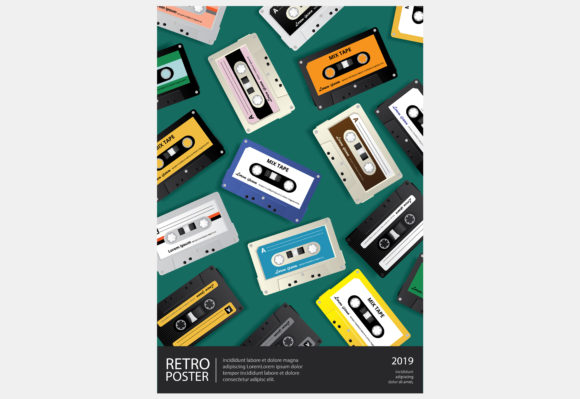
There is a specific kind of nostalgia that hits you when you see a Vintage Retro Cassette Tape Background. It isn't just about the music; it is about the tactile feeling of sliding a tape into a deck, the anticipation of the first track, and the physical act of rewinding with a pencil. As a designer who has spent years reviewing embroidery files for real-world applications, I often find myself drawn to themes that carry this kind of emotional weight. However, not every graphic translates well from a screen to a needle. When I first pulled up the Vintage Retro Cassette Tape Background vector illustration, my initial reaction was one of cautious optimism. The concept is undeniably strong for vintage shops, advertising events, and any brand looking to lean into a retro aesthetic, but the devil is always in the stitching details.
The design falls under the category of Icons and Graphics, which suggests it might be used as a standalone element or a background texture. In the context of machine embroidery, this distinction matters immensely. A flat vector illustration looks crisp on a monitor, but once converted into an embroidery file, those lines become threads. The mood created by the Vintage Retro Cassette Tape Background is playful yet grounded in history. It feels like something you would see on a band t-shirt from the 80s or a sticker on a vintage car. For a designer planning a custom apparel line or a boutique collection, this visual personality offers a clear direction: it belongs in projects that celebrate analog culture, music lovers, and handmade crafts.
Let me walk you through how I envision this design performing in a real-life scenario. Imagine you are preparing a custom embroidered tote bag for a local record store opening or a craft fair booth dedicated to vinyl and tapes. You want the bag to stand out without being overwhelming. Placing the Vintage Retro Cassette Tape Background as a large-scale motif across the front of a canvas tote could work beautifully if executed correctly. The geometric shapes of the cassette shells provide a structured layout that anchors the design. Unlike a complex floral pattern that can get lost on a busy fabric, the clean lines of a cassette tape offer high contrast and immediate recognition. Customers browsing a booth full of handmade goods will spot the familiar shape instantly, creating a connection before they even read the text.
However, we must consider the limitations of the medium. If you were to attempt this design on a sweatshirt, the density of the fill stitches becomes critical. Embroidery adds bulk, and a large background filled with satin stitch can make the fabric feel stiff and uncomfortable against the skin. For a sweatshirt embroidery project, I would advise using this design more sparingly—perhaps as a chest pocket accent or a small logo on the sleeve rather than a massive back print. The goal is to maintain the softness of the garment while still delivering the retro vibe. Similarly, for baby embroidery, such as on a onesie or a blanket, the design needs to be simplified. Tiny stitches can look messy on delicate baby clothes, so ensuring the stitch density is low enough to keep the fabric pliable is essential.
The versatility of the Vintage Retro Cassette Tape Background extends beyond clothing. Think about kitchen towels or aprons for a coffee shop that wants to highlight its "analog" brewing methods. A well-stitched cassette design on a linen tea towel can serve as a unique conversation starter. The same applies to embroidered patches intended for jackets or backpacks. Patches allow for more freedom regarding stitch density since they are backed with stiff interfacing, making them ideal for showcasing the intricate details of the tape mechanism. If you are an Etsy seller offering personalized gifts, this design fits perfectly into the "customized" niche. You could combine the cassette graphic with a customer's favorite song title or artist name, turning a generic icon into a sentimental keepsake.
Despite its potential, there are areas where caution is required. Using this design on small hoop sizes can be tricky. If the cassette graphic includes fine details like the tiny screws on the side or the small text labels, shrinking it down might result in a blob of thread rather than a defined image. Running stitch details can easily disappear if the scale is too small, leaving the viewer confused about what they are looking at. Furthermore, textured fabrics pose a challenge. While a denim jacket might handle the bold lines well, a loosely woven burlap or a fuzzy fleece could distort the clean edges of the cassette shape. On stretchy fabrics like jersey knits, the tension of the fill stitch could cause puckering unless a heavy-duty stabilizer is used effectively.
Another critical consideration is the color palette. The Vintage Retro Cassette Tape Background likely relies on specific contrasts to define the windows and the plastic casing. On dark fabric, you need bright, reflective threads to ensure the design pops. Conversely, on light backgrounds, darker threads might get lost if the lighting isn't right. Before committing to a production run, I always recommend testing the design in black and white mockups. This helps you visualize the value and contrast without the distraction of color. It also forces you to focus on the structural integrity of the design itself. Does the negative space work? Do the outlines hold their shape? These questions are vital for ensuring a professional finish.
For commercial embroidery projects, the quality of the finished product directly impacts customer trust. A sloppy execution of a popular theme like cassettes can make a brand look amateurish. If the thread colors bleed or the hoop size leaves visible marks on the garment, the perceived value drops significantly. Buyers expect precision, especially when paying a premium for handmade items. The Vintage Retro Cassette Tape Background has the potential to elevate a simple tote bag into a statement piece, but only if the technical execution matches the creative vision. Proper stabilization is non-negotiable here. Whether you are working on a cap, a pillow cover, or a kitchen towel, the underlying support must be robust enough to handle the stitch count without distorting the fabric.
As a final note for designers and entrepreneurs, do not skip the preparation phase. Always test the design on scrap fabric first. Check the thread color contrast against your actual material, review the stitch density to ensure it isn't too heavy, and confirm that the hoop size accommodates the entire graphic without cutting off edges. Inspect small details closely to ensure they remain legible after stitching. If you plan to sell these as digital embroidery files or use them for commercial embroidery, double-check the licensing terms provided with the download. Ensure you have the rights to create and sell finished products featuring the Vintage Retro Cassette Tape Background.
In conclusion, this design asset offers a fantastic opportunity for creators looking to tap into the enduring appeal of retro technology. It works best when treated with respect for the limitations of embroidery. By carefully selecting the right fabric, managing stitch density, and focusing on high-quality finishing, you can transform a simple vector illustration into a stunning handmade product that resonates with customers. Whether it ends up on a tote bag design, a holiday gift, or a boutique branding element, the key lies in the practical application. Use your judgment, test thoroughly, and let the nostalgia shine through every stitch.