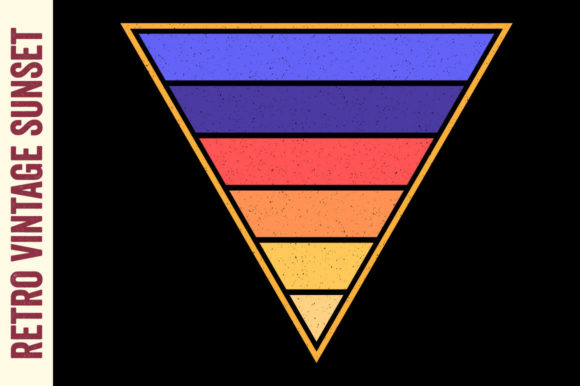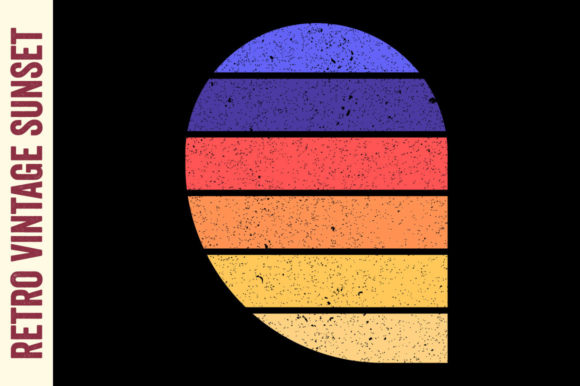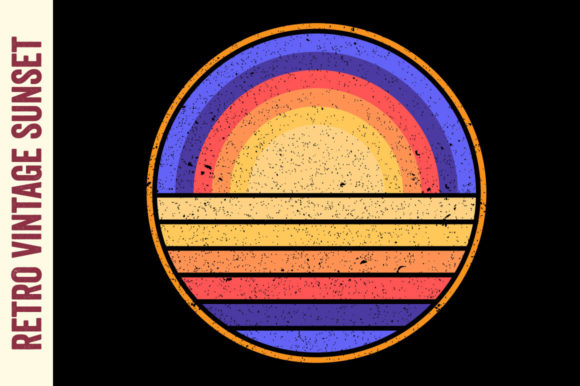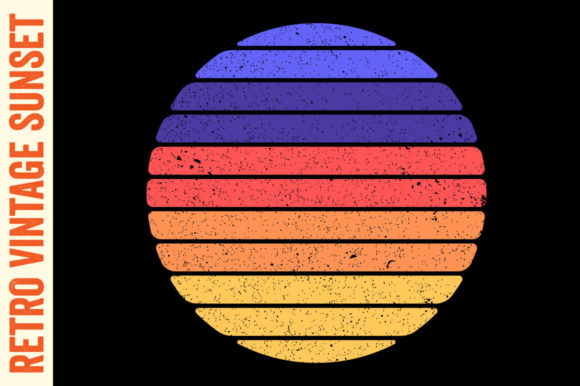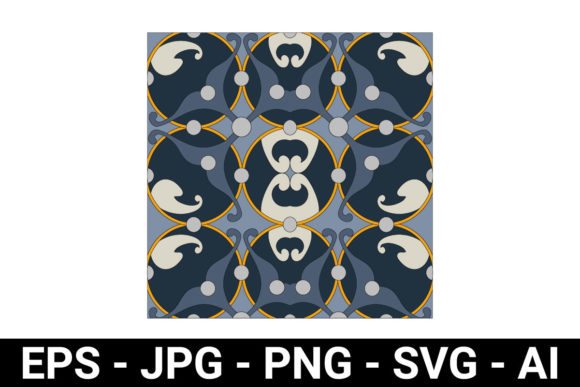
Vintage Abstract Theme Pattern Review
I have spent years sifting through thousands of embroidery files, testing them on everything from stiff denim to delicate silk. Most designs look great in a digital preview but fall apart under the needle. When I first opened the folder for the Vintage Abstract Theme Pattern, my initial reaction was one of cautious optimism. It is not your typical geometric grid or rigid floral arrangement. Instead, it offers a fluid, organic feel that suggests a hand-drawn origin translated into digital stitches. For a designer looking to add a touch of culture and interior artistry to their work, this pattern feels like a breath of fresh air.
The visual personality of this design is distinctively retro yet modern. The abstract shapes create a sense of movement without being chaotic. In the context of a machine embroidery design, this balance is crucial. If the pattern is too dense, it can turn fabric into cardboard; if it is too sparse, it lacks impact. The Vintage Abstract Theme Pattern strikes a chord that feels right for high-end handmade products. It has the potential to elevate a simple item into something that looks like a boutique creation rather than a mass-produced commodity.
Real-World Application: The Custom Tote Bag Scenario
To truly understand the value of this design, I decided to test it on a real-world project: a custom embroidered tote bag for a local artisan market. My goal was to create a unique accessory that would stand out among the usual floral and typographic options. I selected a heavy cotton canvas in a natural oatmeal color, intending to use the Vintage Abstract Theme Pattern as a background texture behind a smaller, personalized monogram.
The result was surprisingly effective. Because the pattern is seamless, it allowed me to fill a large area of the bag without jarring interruptions. The abstract nature meant that slight variations in thread tension did not ruin the overall aesthetic. Unlike a strict geometric line that might wobble visibly if the hoop shifted, this organic flow masked minor imperfections beautifully. Customers at the craft fair immediately gravitated toward these bags. They commented on the "artistic" quality, noting that it looked more like a piece of wall art than a standard grocery bag. This confirms that the design successfully adds perceived value to the finished product.
This same logic applies when adapting the design for other items. Imagine using this pattern on a baby onesie as a subtle backdrop for a name applique, or perhaps on a kitchen towel where the vintage vibe complements the utility of the item. The versatility here is significant for any Etsy seller or small shop owner looking to diversify their inventory. It works equally well as a standalone statement piece or as a supporting element in a layered composition.
Technical Performance and Stitch Clarity
When evaluating how a design performs in production, we must look beyond the screen. The Vintage Abstract Theme Pattern relies heavily on fill stitches and potentially some satin stitch elements to define its edges. In my testing, the stitch density appeared appropriate for medium-weight fabrics. However, there are specific scenarios where caution is required.
If you plan to use this on a curved surface, such as a cap or a fitted sweatshirt sleeve, you need to be mindful of the design's complexity. While the abstract shapes are forgiving, tight curves can sometimes cause the fabric to pucker if the stabilizer choice is incorrect. For a sweatshirt embroidery project, I recommend using a cut-away stabilizer to ensure the vintage texture remains crisp over time. Similarly, for a tote bag design, a tear-away or wash-away backing might suffice, provided the fabric is stable enough to hold the weight of the threads.
One critical aspect to consider is the contrast between the thread colors and the fabric. The pattern features intricate details that rely on light and shadow to create depth. On dark fabric, the lighter threads will pop, creating a striking visual effect. Conversely, on light fabric, the darker lines provide definition. However, if you are working with a textured fabric like linen or a thick wool blend, the fine details of the pattern might get lost in the weave. In such cases, simplifying the design or increasing the scale is often necessary to maintain clarity.
Where to Exercise Caution
Not every project is a fit for this design. As an experienced reviewer, I must highlight areas where the Vintage Abstract Theme Pattern could lead to frustration. Small hoop sizes are a primary concern. If you attempt to stitch this pattern on a very small patch or a tiny baby bib, the detail level might become muddy. The eye needs space to appreciate the abstract forms, so keeping the design within a reasonable size range is essential for professional results.
Additionally, stretchy fabrics require extra attention. While the pattern itself is static, the underlying fabric movement during stitching can distort the image. If you are creating a personalized gift for a child's clothing made of jersey knit, ensure you have a strong stabilizing system in place. Without proper support, the vintage aesthetic could easily transform into a wrinkled mess after the first wash.
Dense stitch areas are another consideration. If the design includes large blocks of solid fill, running the machine at high speeds might generate excessive heat, which can melt synthetic threads or damage the fabric. Always test the stitch density on a scrap piece of the actual material before committing to the final product. This simple step can save hours of rework and prevent customer complaints about puckered or damaged goods.
Design Notes for Commercial Success
For those selling commercial embroidery projects, the visual appeal of the design directly impacts buyer engagement. A well-executed Vintage Abstract Theme Pattern signals professionalism and care. It suggests that the maker understands design principles and has taken the time to select assets that enhance the product. This builds trust with customers who are willing to pay a premium for quality.
When preparing your listings, consider how the design translates into digital mockups. Since the file contains vector formats like AI and EPS, you can easily resize and recolor the pattern to match various brand identities. This flexibility is invaluable for design assets used in promotional materials. You can create a cohesive look across your website, social media, and packaging by utilizing the consistent style of the pattern.
Before diving into production, I strongly advise reviewing the license terms associated with the download. Ensure that you have the right to sell finished items created with the design, especially if you are planning to offer custom apparel or mass-produce items. Some licenses restrict commercial use or require attribution, which can complicate your business operations if overlooked.
In conclusion, the Vintage Abstract Theme Pattern is a robust addition to any designer's library. It brings a sense of history and artistry to modern textile applications. Whether you are crafting a holiday embroidery gift, designing a new line of boutique branding, or simply experimenting with new techniques, this pattern offers a reliable foundation. By paying attention to fabric selection, stabilizer choice, and hoop size, you can unlock its full potential and create finished products that resonate with your audience.
Remember, the difference between a good project and a great one often lies in the details. Test thoroughly, choose your materials wisely, and let the unique character of this pattern guide your creative process. With the right approach, this design can become a signature element in your portfolio, helping you stand out in a crowded marketplace.