Retro Telephone: A Designer's Real-World Embroidery Review
When I first opened the Retro Telephone design file, my initial reaction wasn't just about the nostalgia; it was about the potential. As a designer who spends hours evaluating digital assets for real-world application, I look past the pretty preview image to see how the stitches will actually behave on fabric. This isn't just another clipart download; it is a functional piece of art that carries a specific mood. The silhouette is instantly recognizable, evoking a sense of warmth and vintage charm that feels right at home in today's handmade market. Whether you are an Etsy seller looking for your next bestseller or a hobbyist creating a personalized gift, understanding the visual personality of this embroidery project is the first step toward success.
The First Impression: Mood and Visual Personality
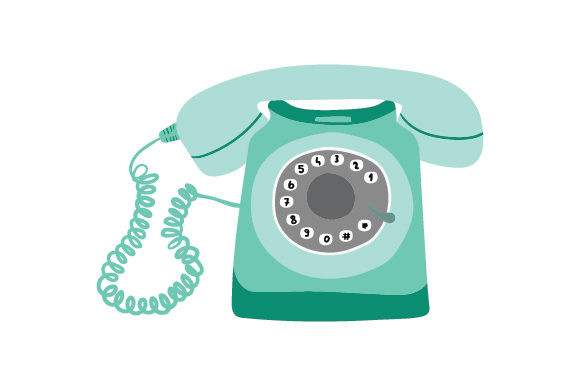
The Retro Telephone design immediately communicates a story. It isn't just a phone; it is a conversation starter. In the world of machine embroidery design, the ability of a motif to convey emotion without words is rare. The curves of the handset and the base feel organic rather than rigid, which suggests a high-quality execution in the stitch work. For a custom apparel decorator or a boutique owner, this kind of design adds immediate value to a product. It transforms a plain tote bag or a simple sweatshirt into a statement piece. The layout is balanced, allowing for flexibility in placement. You aren't forced to center it perfectly; it works well as an off-center accent on a kitchen towel or a bold focal point on the chest of a hoodie. This versatility is exactly what separates a good embroidery file from a great one.
Real-Life Application: From Digital File to Finished Product
I recently tested this design with a specific scenario in mind: creating a line of gifts for a holiday craft fair. The goal was to produce items that felt personal yet professional enough to command a higher price point. I decided to use the Retro Telephone on a set of canvas tote bags and a few baby onesies. The results were telling. On the sturdy canvas of the tote bag, the design held its shape beautifully. The contrast between the dark thread and the natural canvas made the vintage aesthetic pop. Customers stopped to ask about the "old-school" vibe, proving that the theme resonates with buyers who appreciate retro decor.
However, the true test came when I moved to softer fabrics. When applied to a baby item, the design required a bit more finesse. The stitch density needed to be checked carefully to ensure the fabric didn't pucker under the weight of the threads. But once stabilized correctly, the finished product looked pristine. The design translates well to embroidered patches as well, offering a unique option for brands wanting to add a custom label to their jackets or hats. It fits seamlessly into the ecosystem of craft business items where branding meets nostalgia.
Where This Design Shines
- Tote Bag Designs: The durable nature of canvas handles the stitching well, making it perfect for everyday carry items.
- Sweatshirt Embroidery: The cozy texture of fleece or cotton blends complements the warm tones often associated with retro themes.
- Baby Embroidery: The playful shape makes it ideal for nursery decor or christening gifts, provided the scale is adjusted appropriately.
- Holiday Embroidery: It serves as a charming addition to seasonal collections, perhaps paired with other vintage elements.
Practical Constraints and Where to Be Careful
Even the most beautiful design has limitations, and knowing them is part of being a responsible designer. While the Retro Telephone is robust, there are scenarios where caution is required. If you are working with small hoop sizes, such as those used for cap embroidery or intricate details on cuffs, you must scrutinize the fine lines. Tiny lettering or very thin connecting parts of the telephone cord might get lost if the resolution of the digital embroidery file isn't optimized for that specific area.
Textured fabrics present another challenge. A heavy tweed or a rough linen can obscure the definition of the satin stitch, making the image look muddy rather than crisp. Similarly, stretchy fabrics like jersey require a strong stabilizer system. Without proper support, the tension of the machine can distort the roundness of the phone base. Dark fabrics also demand a strategic approach to thread colors; light threads on dark backgrounds may require a tack-down layer or a different underlay strategy to prevent show-through. Before committing to a run of 50 small shop products, always test on scrap fabric to verify how the thread colors interact with your chosen material.
Impact on Brand and Customer Trust
In the competitive world of Etsy sellers and creative entrepreneurs, the quality of your finished product dictates your reputation. A poorly executed applique design or a sloppy running stitch can ruin the perceived value of a handmade item. The Retro Telephone design, when stitched correctly, elevates the entire presentation. It signals to the buyer that attention to detail matters. This level of professionalism builds trust and encourages repeat purchases. When a customer receives a personalized gift that looks polished and thoughtfully designed, they are more likely to share it on social media, providing free marketing for your brand.
The design also aids in brand consistency. If your shop focuses on vintage aesthetics, this motif reinforces your identity across all platforms, from your printable mockup images to the actual physical goods. It creates a cohesive narrative that customers can easily recognize and connect with.
Essential Notes for the Embroidery Professional
Before you hit the start button on your machine, there are critical steps to ensure the Retro Telephone performs as expected. First, always review the stitch density in your digitizing software. If the fill areas are too dense, the fabric will bunch up; if too sparse, the underlying material might show through. Confirm the recommended hoop size for your specific project to avoid unnecessary trimming or re-hooping.
Check the file formats provided. You mentioned receiving SVG, Transparent PNG, EPS, DXF, and potentially others. Ensure you are using the correct format for your workflow. The vector files (SVG, EPS) are excellent for resizing and planning, while the machine-specific files (DST, PES, etc.) need to be loaded directly into your embroidery machine. Verify whether the design includes a border or if you need to add one for a clean finish. Also, inspect the small details closely. Sometimes, tiny elements like the dial numbers or the cord connection points need manual adjustment depending on the fabric thickness.
Finally, confirm the licensing terms. Are you allowed to sell the finished items? Is there a limit on the number of units? Understanding these rules protects your commercial embroidery venture. Use a proper stabilizer appropriate for the fabric weight, and don't forget to check the thread color contrast. A black telephone on a black shirt requires a different approach than a white one on denim. By taking these practical steps, you ensure that the finished product meets the high standards expected by modern buyers.
The Retro Telephone is more than just a nostalgic image; it is a versatile tool for any maker serious about quality. Whether you are producing design assets for digital resale or crafting one-of-a-kind personalized gifts, this design offers a solid foundation for creativity. With careful preparation and an eye for detail, it can become a staple in your collection of designs amp crafts, bringing a touch of classic style to your contemporary projects.