Minimal Covers Geometric Background Review
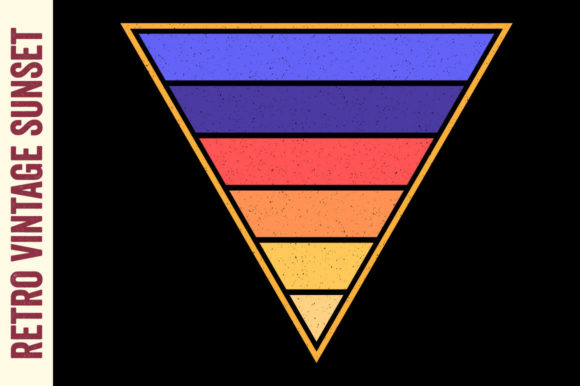
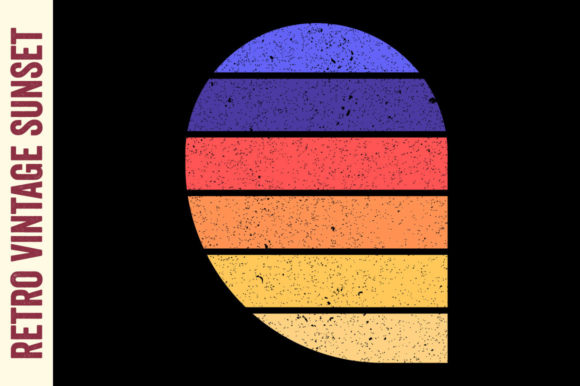
I have spent years reviewing embroidery files for everything from high-end boutique branding to quick custom gifts. Most of the time, I am looking for clean lines and clear stitch paths. When I first encountered Minimal Covers Geometric Background, my initial reaction was one of cautious optimism. The description promises colorful halftone gradients and future geometric patterns, which sounds like a modern graphic design asset rather than a traditional machine embroidery file. However, as a designer who values practical application over marketing hype, I needed to see how this Backgrounds category product actually translates to thread on fabric.
This review is not about the digital preview; it is about what happens when you load this file into your hoop. If you are an Etsy seller, a craft fair vendor, or a small business owner looking to expand your custom apparel line, understanding the real-world performance of a design is crucial before you commit to production.
The First Impression: Modern Aesthetics Meet Stitch Reality
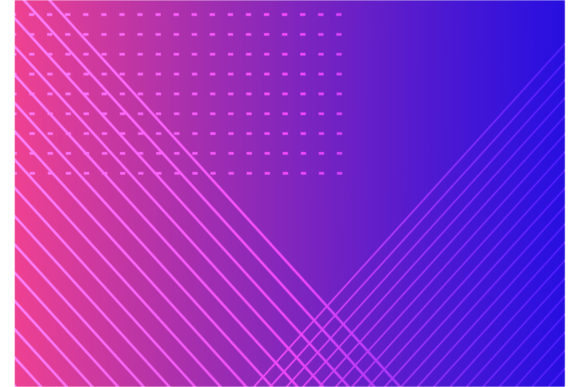
The visual personality of Minimal Covers Geometric Background is undeniably contemporary. The concept of "cool gradients" and "future geometric patterns" suggests a sleek, tech-forward vibe that stands out against standard floral or script designs. In the world of embroidery project planning, this kind of graphic approach can elevate a plain tote bag or a simple sweatshirt into something that feels curated and professional. It creates a mood of sophistication and modernity that appeals to younger demographics and urban boutiques.
However, there is a distinct difference between a vector image with smooth color transitions and a digitized file meant for stitching. Halftones in embroidery rely heavily on the interplay of different thread colors and specific stitch densities to create the illusion of shading. When evaluating this design, I looked at the complexity of the geometric shapes. Are they sharp enough to hold their form? Do the gradients rely on too many tiny details that might blur together during the stitching process?
A Real-Life Scenario: The Boutique Tote Bag Challenge
To truly test Minimal Covers Geometric Background, I imagined a specific use case: creating a limited-edition collection of canvas tote bags for a local artisan market. These bags would be sold as part of a gift set, featuring the design prominently on the front panel. The goal was to create a piece that felt like a high-end handmade product but could be produced efficiently enough for a small shop inventory.
In this scenario, the design needs to work on a flat surface, likely a sturdy cotton canvas. The geometric nature of the background provides a perfect anchor for a central logo or text, making it ideal for small shop product branding. If the halftone gradients translate well, the bag would look vibrant and eye-catching under market lights. Customers often react positively to designs that feel "designed" rather than just stitched, and this pattern offers that polished aesthetic. It transforms a basic utility item into a statement accessory.
But what if I tried to use this same design on a baby onesie? Or a curved cap? That is where the evaluation gets tricky. While the gradient effect works beautifully on large, stable fabrics, the same geometry might struggle on smaller surfaces or stretchy materials without careful attention to the underlying structure.
Performance on Different Fabrics and Garments
The versatility of this embroidery file depends entirely on the substrate. For sweatshirt embroidery or heavy-duty aprons, the geometric fill stitches will likely lay down smoothly, creating a rich texture that adds value to the finished garment. The dense coverage of the background helps mask any minor imperfections in the fabric weave, resulting in a cleaner look.
Conversely, using this design on thin fabrics or highly stretchy knits requires caution. If the stitch density is too high, the fabric may pucker, ruining the crisp lines of the geometric pattern. On a tote bag design, the stability of the canvas usually handles medium-density fills well, but on a fitted tee or a hat, the tension must be perfectly calibrated. The "future" look of the design relies on precision; if the lines wobble due to fabric movement, the modern appeal is lost.
I also considered its potential for embroidered patch creation. The defined edges of the geometric shapes make it a strong candidate for patches, provided the border is sufficiently defined. However, if the design relies on very fine lines to achieve the halftone effect, those details might get lost when the patch is cut or applied to a garment.
Where Caution is Required
There are specific scenarios where Minimal Covers Geometric Background might not be the best choice. Small hoop sizes are a primary concern. If the design includes intricate corner details or tight curves intended to create the gradient effect, shrinking it down can result in a muddy mess where individual threads merge. Similarly, textured fabrics like bouclé or thick fleece can obscure the fine details of the geometric pattern, making the design look less sharp than intended.
Dense stitch areas can also pose a challenge for durability. If the design uses long stretches of fill stitch to create the gradient, it may become stiff and uncomfortable on items that require frequent washing, such as kitchen towels or baby clothes. Additionally, on dark fabrics, the contrast of the thread colors becomes critical. Without proper underlay or contrasting thread choices, the "colorful halftone" effect might appear dull or washed out.
Impact on Brand and Customer Perception
For creative entrepreneurs and Etsy sellers, the visual quality of the embroidery directly influences customer trust. A design that looks professional and intentional elevates the perceived value of the entire brand. Minimal Covers Geometric Background has the potential to do exactly this. Its modern aesthetic signals that the maker understands current design trends, which can lead to higher engagement and better recognition in a crowded marketplace.
When used correctly, this design enhances the presentation of personalized gifts. Whether it is a holiday gift or a wedding favor, the unique geometric style sets the item apart from generic options. It adds a layer of sophistication that buyers are often willing to pay a premium for. However, if the execution is poor—due to incorrect stabilizer usage or wrong thread selection—the result could look amateurish, damaging the reputation of the creator.
Practical Notes for the Embroidery Designer
Before you start stitching, there are several technical steps you must take to ensure success. First, always test the design on scrap fabric that matches your final material. This allows you to check the stitch density and see how the halftone effect behaves on the specific grain of the cloth. You should also review the thread color contrast carefully; the design's impact relies on the vibrancy of the gradients, so choosing the right thread palette is essential.
Inspect the small details in the file. Look for any tiny elements that might be prone to breaking or getting lost during the run. If you are unsure about the hoop size requirements or the specific file format compatibility, consult the source documentation. While the description mentions Eps10, which is typically a vector format, ensure you have the correct machine-compatible version (like .dst or .pes) before loading it into your machine.
Don't forget to check the licensing terms. If you plan to sell finished items made with this design, confirm that your purchase allows for commercial use. Using a design for commercial embroidery without the proper rights can lead to legal issues. Finally, compare light and dark fabric backgrounds in your mockups to ensure the design remains visible and effective across your product range.
In conclusion, Minimal Covers Geometric Background is a compelling option for designers looking to add a modern, graphic edge to their portfolio. It excels in creating a professional look for larger garments and accessories but demands respect for the technical limitations of embroidery. With careful testing and thoughtful application, it can transform a simple project into a standout piece that customers love.