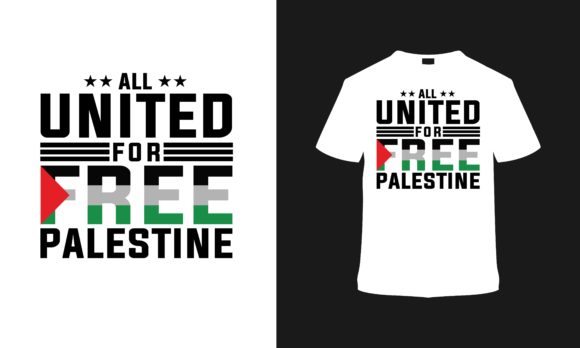
All United for Free Palestine T-shirt Review
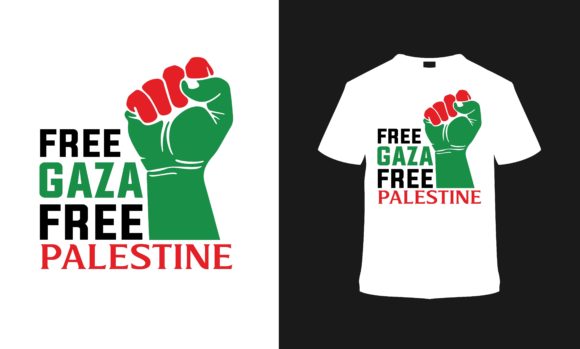
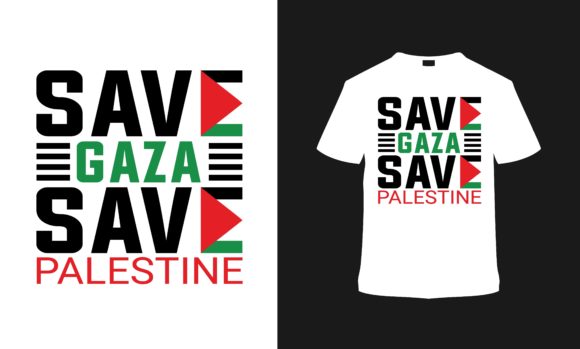
When I first opened the file for the All United for Free Palestine T-shirt, my immediate reaction wasn't about the political statement, but rather the practical application of the design itself. As a designer who spends hours troubleshooting stitch density and fabric tension, I look past the message to see how the lines hold up under a needle. This embroidery design carries a heavy emotional weight, which means the execution must be flawless to honor the sentiment. The layout feels vintage-inspired with bold typography, suggesting it is built for impact on custom apparel rather than delicate, tiny details.
I decided to put this design through its paces by imagining it on a real-world project: a batch of embroidered tote bags for a local boutique fundraiser. The goal was to create a cohesive look that would stand out in a crowded craft fair without looking cheap or over-stitched. Here is my honest breakdown of how the All United for Free Palestine T-shirt performs when moving from a digital screen to a finished product.
The First Impression: Mood and Visual Weight
The visual personality of this piece is straightforward and assertive. The typography is the star here, designed to be read quickly even from a distance. For an embroidery file, this is crucial because small, intricate lettering often gets lost in the thread bulk. The design appears to rely heavily on satin stitch for the outlines and text, which gives it that classic, raised texture found on high-quality sweatshirts and caps.
In terms of mood, it strikes a balance between solidarity and style. It isn't trying to be subtle; it wants to be seen. When I mock up the design on a dark navy tote bag, the contrast potential looks strong, provided you select the right thread colors. The vintage aesthetic suggests it pairs well with worn-in fabrics like canvas or heavyweight cotton, adding a layer of authenticity to the final piece. However, if you are aiming for a clean, modern corporate look, this might feel a bit too rustic. It belongs in the realm of handmade products, activist gear, and community-focused merchandise.
Real-World Application: From Digital File to Finished Product
Let's talk about where this design actually shines. In my experience reviewing various graphics for embroidery projects, not all files translate well to three-dimensional surfaces. The All United for Free Palestine T-shirt seems optimized for flat or slightly curved surfaces. I envision this working exceptionally well on:
- Sweatshirt Embroidery: The thick fabric provides the perfect foundation for the fill stitches, allowing the design to sit proud without puckering.
- Tote Bag Design: A canvas tote is a natural home for this message. The durability of the bag matches the enduring nature of the statement.
- Baby Embroidery: If scaled down appropriately, the clean lines could work beautifully on a baby onesie or a nursery pillow cover, though care must be taken with the hoop size.
- Embroidered Patch: The defined edges make it a candidate for a sew-on patch, adding a professional touch to jackets or hats.
I also considered using this for holiday gifts or personalized products. There is something powerful about gifting a handmade item with such a clear message. For an Etsy seller or small shop owner, this digital embroidery file offers a way to create unique items that customers can't find at big-box stores. The design adds value to a simple garment, transforming it into a statement piece that encourages conversation and connection.
Where to Proceed with Caution
While the design has strong appeal, no single machine embroidery design is universal. There are specific scenarios where the All United for Free Palestine T-shirt requires careful consideration before you hit "start" on your machine.
First, consider the hoop size. If the original vector includes very fine details or tiny lettering, attempting to stitch this on a small 4x4 hoop might result in muddy threads where the stitches overlap. Similarly, textured fabrics like terry cloth or heavy boucle can distort the shape of the letters, making them harder to read. If you plan to use this on a stretchy fabric like a jersey knit, you will need a heavy-duty stabilizer to prevent the garment from warping during the stitching process.
Dense stitch areas are another potential pitfall. If the design relies on large blocks of fill stitch, it can become stiff and uncomfortable against the skin, especially on children's clothing or items meant for daily wear. Furthermore, on dark fabrics, the thread coverage needs to be checked carefully. Sometimes, a single pass of satin stitch isn't enough to hide the background color, leading to a dull finish. Always test the thread color contrast on a scrap piece of your actual fabric before committing to a whole run of products.
Impact on Brand Consistency and Customer Trust
For those selling these items as part of a craft business, the quality of the embroidery directly impacts customer trust. A sloppy stitch job can undermine even the most heartfelt message. The All United for Free Palestine T-shirt design, if executed well, signals professionalism. It shows that you care about the details, which translates to buyers feeling confident in their purchase.
Visual appeal is also tied to the finishing touches. Does the design look balanced? Is the spacing consistent? When I review design assets for commercial embroidery, I look for these signs of polish. A clean, well-placed design enhances the perceived value of the item, allowing you to price it higher while still offering great value to the buyer. It also aids in recognition; a distinct, high-quality logo or phrase becomes associated with your brand over time.
Practical Notes for the Designer
Before you start stitching, there are several technical steps I recommend taking to ensure success. First and foremost, test the design on scrap fabric first. This is non-negotiable. You need to see how the stitch density interacts with your specific material and thread choice. Check whether the design works for both personal and commercial projects by reviewing the license terms included with the download.
Inspect small details closely. Are there any isolated elements that might get lost in the fabric weave? Use proper stabilizer; the type matters just as much as the design itself. A cut-away stabilizer is usually best for maintaining the integrity of the embroidery on garments that will be washed frequently. Also, test it in black and white mockups to ensure the hierarchy of the text remains clear even without color distractions.
If the product description mentions specific formats like EPS 10, remember that these are vector files intended for digitization. Unless you have the specific software and skills to convert these vectors into a machine-readable format (like .DST or .PES), you may need to hire a digitizer or use a conversion tool. Confirm licensing before selling finished items or digital products to avoid legal issues later.
Final Thoughts on Practicality
The All United for Free Palestine T-shirt is more than just a graphic; it is a tool for expression. Whether you are creating a limited edition run for a boutique or a one-off gift for a friend, the design offers a solid foundation for a meaningful embroidery project. It balances artistic intent with wearable functionality, making it a versatile addition to your collection of embroidery files.
By paying attention to fabric selection, stabilizer usage, and thread choices, you can elevate this design from a simple print to a tactile masterpiece. For the creative entrepreneur, the key lies in the execution. Take the time to refine the process, and the final finished product will speak volumes about your skill and dedication.